DaVinci Roofscapes holds up well in Oregon’s rainy climate because its composite tiles do not absorb water, swell, or rot like natural wood. For Portland homeowners who want the look of cedar shake or slate with fewer moisture-related concerns, it can be a dependable roofing option.
Key Takeaways:
|
How DaVinci Roofscapes Holds Up in Oregon’s Rainy Climate?
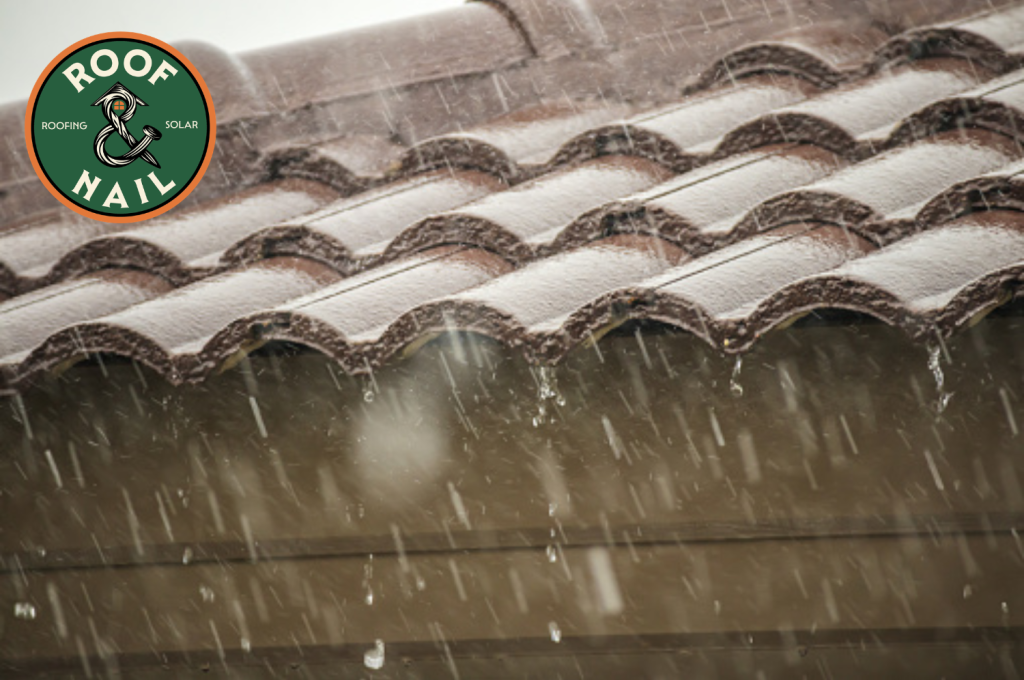
When considering how DaVinci Roofscapes holds up in Oregon’s rainy climate, water resistance is one of its biggest advantages. Its engineered composite tiles do not absorb moisture like natural wood.
That matters in Portland, where roofs often stay wet throughout fall and winter. Shade, cool temperatures, and cloudy skies can prevent some areas from drying quickly.
1. Moisture-Resistant Composite Tiles
DaVinci tiles do not absorb water, so frequent rain will not cause them to swell or soften. Their low water absorption also helps protect them during wet and freezing conditions.
This can be especially helpful for shaded homes that receive little direct sunlight. However, proper underlayment and flashing are still necessary if wind pushes rain beneath the tiles.
2. Protection Against Rotting and Warping
Natural cedar can absorb moisture and may curl, split, grow fungus, or decay when it stays damp. DaVinci composite tiles do not contain the same organic material, so they will not rot like cedar.
The tiles also resist the moisture-related warping that can affect natural wood. Leaves and needles can still collect on the roof, though, so regular cleaning remains important.
3. Reliable Rainwater Shedding
DaVinci tiles overlap in rows to direct rainwater down the roof and into the gutters. Correct spacing, exposure, and fastening help the roofing system shed water properly.
Gutters and valleys must also stay clear so water can drain freely. A professional DaVinci Roofscapes installation should include dependable flashing around chimneys, vents, skylights, and walls.
How Does DaVinci Compare With Other Premium Roofing Materials?
Homeowners interested in DaVinci Roofscapes roofing in Portland often want the beauty of traditional cedar or slate without many of the drawbacks. Its varied colors, widths, and textures create a natural-looking finish.
The best choice depends on your home, budget, and preferred style. Moisture resistance, weight, and maintenance are also important during Portland’s long rainy season.
DaVinci Roofing Compared With Cedar Shake
Cedar shake has a warm, natural look, but it needs good airflow and regular cleaning. Shade and trapped debris can keep the wood damp, increasing the risk of moss, splitting, and decay.
DaVinci Shake provides a similar textured appearance without moisture-absorbing wood. It still needs routine cleaning, but the tiles will not rot like natural cedar shakes.
DaVinci Roofing Compared With Natural Slate
Natural slate resists water and may last for decades, but it is heavy and can crack from impact or foot traffic. Some homes may also need extra structural support before installation.
DaVinci Slate is lighter while still offering the deep shadow lines and color variations of real slate. It also carries a Class 4 impact rating when used in an approved roofing assembly, providing added protection against storm debris.
How Can You Maintain DaVinci Roofscapes Roofing in Portland?
DaVinci roofing requires less moisture-related care than natural cedar, but it is not maintenance-free. A simple routine keeps water moving and helps you catch problems before they cause a leak.
- Check the roof from the ground. Look for shifted tiles, damaged flashing, dark growth, or collected leaves after strong wind and rain.
- Keep gutters and downspouts clear. Clogged gutters can overflow and allow water to collect near the roof edge, siding, or foundation.
- Remove debris safely. Leaves and needles often settle in valleys and behind chimneys. Hire a professional to clear steep, wet, or difficult areas.
- Inspect the roof after storms. Strong winds may move tiles, loosen flashing, or drop branches. Call a roofer if anything looks different.
- Respond quickly to water stains. An indoor stain may point to damaged flashing, underlayment, or another weak spot. Early repairs can limit damage to the decking and insulation.
Avoid walking on a wet roof or using a pressure washer. Both can create safety risks, damage roofing components, or force water beneath the tiles.
Frequently Asked Questions
Is DaVinci roofing waterproof?
DaVinci tiles do not absorb water, but the roof works as a water-shedding system rather than a solid waterproof surface. Underlayment, flashing, valleys, and proper installation protect your home.
How long does DaVinci roofing last in Oregon?
DaVinci offers a limited lifetime material warranty for its slate and shake products. Actual lifespan depends on installation quality, roof design, maintenance, and weather exposure.
Is DaVinci roofing better than cedar for Portland homes?
It may be better if you want a cedar appearance without concerns about the tiles absorbing water or rotting. Natural cedar can perform well, but it usually requires more upkeep in Portland’s damp climate.
Can DaVinci roofing handle strong winds?
DaVinci publishes a 110 mph straight-line wind rating for its synthetic slate and shake roofing. Actual performance depends on the product, fasteners, roof design, and installation quality.
How much does DaVinci Roofscapes installation cost?
Pricing depends on the roof’s size and design, the chosen product, labor, and needed decking or flashing repairs. A local inspection provides the most accurate estimate for your home.
Is DaVinci Roofing Right for Your Portland Home? Let Roof & Nail Help You Decide!
DaVinci may be a good fit if you want the appearance of cedar or slate with fewer moisture-related concerns. Consider your roof slope, tree coverage, drainage, home style, and budget before deciding.
Ready to explore your options? Contact us today to schedule your consultation. We’ll inspect your roof and help you determine whether DaVinci slate or shake is right for your home.