A roof inspection after storm damage helps you find loose shingles, leaks, and other problems before the next rain makes them worse. After a strong storm in Portland, check your home from the ground, take photos, and call a local roofer if anything looks off.
Key Takeaways:
|
Why Should You Inspect Your Roof After a Portland Storm?
Portland storms can bring heavy rain, strong winds, and falling branches. Even when your roof looks fine from the street, it may have loose shingles, damaged flashing, or small openings that let water inside.
The tricky part is that storm damage does not always cause a leak right away. Water may slowly soak the roof deck or insulation before a stain appears on your ceiling.
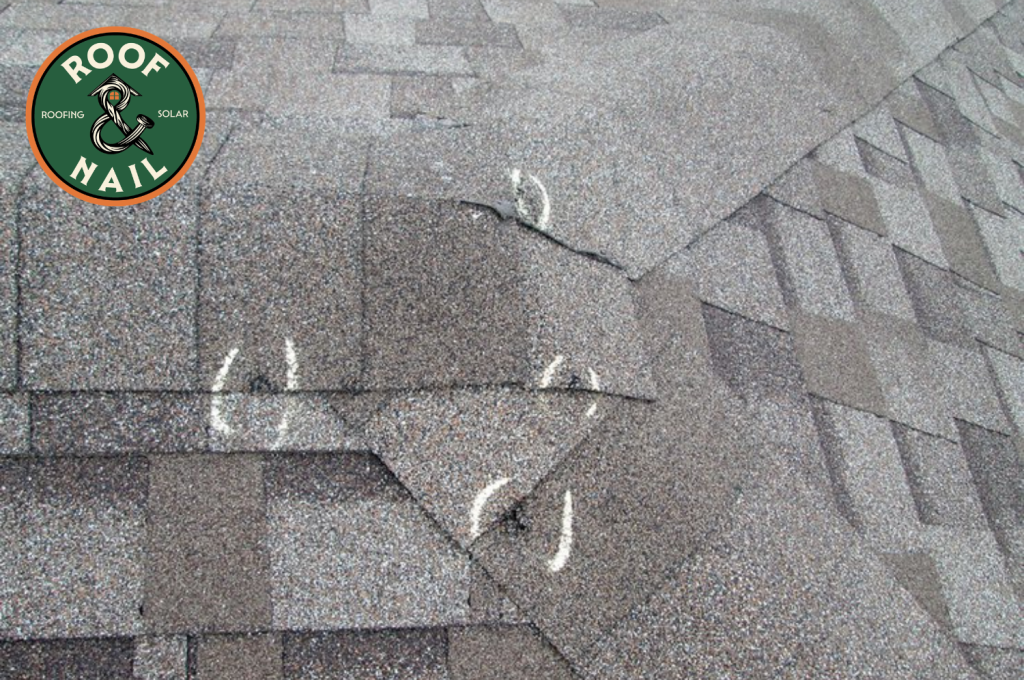
For example, strong wind can lift the corner of a shingle and break the seal underneath. The shingle may fall back into place, but it will be easier for rain to get under it during the next storm.
That is why a roof inspection after storm damage matters. It gives you a chance to catch hidden problems before they turn into expensive repairs.
What Should You Do After a Storm?
Once the storm has passed, you can take a few simple steps to check your home. Just remember that your safety comes first.
1. Do Wait Until It Is Safe
Wait until the wind, rain, and lightning have stopped before going outside. Watch for fallen power lines, broken branches, and loose roofing materials.
2. Do Check Your Roof From the Ground
Walk around your home and look for missing shingles, damaged gutters, fallen branches, or sagging areas. Use binoculars or your phone’s zoom instead of climbing onto the roof.
3. Do Look Inside Your Home
Check the ceilings, walls, closets, and attic for water stains, damp insulation, or musty smells. Remember that water can travel, so the stain may not be directly below the roof damage.
4. Do Take Photos
Photograph visible damage inside and outside your home. These photos may help your roofer understand the problem and support a possible insurance claim.
5. Do Protect the Inside of Your Home
Move furniture and valuables away from leaks, then place a bucket under any dripping water. Stay out of the room if the ceiling looks swollen or begins to sag.
6. Do Call a Local Roofer
If you notice damage or signs of a leak, contact a roofer who handles storm damage roof repair Portland trust. A professional can inspect hard-to-see areas and explain what needs to happen next.
What Shouldn’t You Do After a Storm?
It is normal to want to fix the problem right away. However, a few common mistakes can make the situation worse or put you in danger.
1. Don’t Climb Onto the Roof
Wet and damaged roofs can be slippery, weak, and covered with loose materials. Leave the rooftop inspection to a professional with the proper safety equipment.
2. Don’t Ignore Small Problems
A missing shingle or loose piece of flashing may seem minor, but it can let rain reach the materials underneath. Small problems are usually easier and less expensive to fix early.
3. Don’t Make Permanent Repairs Right Away
Take photos and contact your insurance provider before completing permanent repairs. If you need emergency protection, save your photos and receipts.
4. Don’t Hire the First Roofer Who Knocks
Avoid contractors who pressure you to sign an agreement or promise that insurance will cover everything. Choose a trusted local company with experience in storm roofing and repair.
5. Don’t Assume You Need a New Roof
Storm damage does not always mean you need a complete replacement. A professional inspection can determine whether a focused repair will be enough.
How Does a Professional Storm Damage Inspection Work?
A professional inspection covers more than the spot where you noticed a problem. The roofer should check the roofing material, flashing, vents, chimneys, skylights, gutters, and roof edges.
They may also look inside the attic for wet insulation, stains, or damaged wood. Checking both the outside and inside makes it easier to find where the water is actually entering.
How Do You Know If Your Roof Needs Repair or Replacement?
A repair may be enough when the damage is limited to a small area and the rest of the roof is still in good shape. Replacing a few shingles or fixing loose flashing may restore the roof’s protection.
A replacement may be the better choice when several areas are damaged, the roof is already old, or water has weakened the decking underneath. Your roofer should show you the damage and explain both options before you decide.
Frequently Asked Questions
How soon should I schedule a roof inspection after a storm?
Schedule an inspection as soon as the weather is safe, especially if you see missing shingles or water stains. Portland can get more rain soon after a storm, so waiting may allow the damage to spread.
What if my roof looks fine from the ground?
Your roof may still have loose shingles, broken seals, or damaged flashing that you cannot see. A professional roof inspection after storm damage can find these hidden issues.
Can I cover the damaged area with a tarp myself?
Climbing onto a wet or damaged roof is risky, even if you only plan to install a tarp. It is safer to let a roofing professional add temporary protection.
Does homeowners insurance cover storm damage?
Many policies cover sudden damage from strong winds or falling branches, but every policy is different. Contact your insurance provider and ask what photos, reports, and estimates they need.
How long does a storm damage inspection take?
Most home roof inspections take about one to two hours. Large roofs, steep slopes, and attic damage may make the inspection take longer.
Trusted Roof Inspection After Storm Damage – Call Roof & Nail Today!
After a storm, it is hard to know whether your roof needs a simple fix or more serious work. Roof & Nail provides dependable inspections and storm damage roof repair in Portland, with clear explanations and no unnecessary pressure.
We will inspect your roof, show you what we find, and help you understand the best next step for your home. Contact us today to schedule your roof inspection and protect your home before the next storm.